Playing Dead
Participative workshop
in development
Playing Dead is an embodiment workshop on mortuary care stemming from field research and experience. It offers an opportunity to rehearse gestures of deathcare in an environment centered around presence, consent and transparency with a slow, poetic and informative approach.
The workshop builds on different propositions to get acquainted with the acts of washing, grooming and dressing the dead. Participants are given a situated and critical history of mortuary care in Belgium and France; a series of somatic exercices that gently enable to tune into the practice; and a simple framework with demonstration and clear step by step instructions to follow. Three roles are outlined : Dead, Washer and Passeur*, which allow the participants to choose their involvement.
Playing Dead provides a container to share stories and questions about physical contact with the dead body. How this tactile intimacy might transform a process of grief and a relationship with death. Playing Dead seeks to think of the corpse through a lens of agency and vibrancy.
*The Passeur is akin to the psychopomp in (Greek) mythology, it is the figure that accompany the dead to death and in our case, brings them back to life. The Passeur watches over the Dead and also assists the Washer in their task of care.
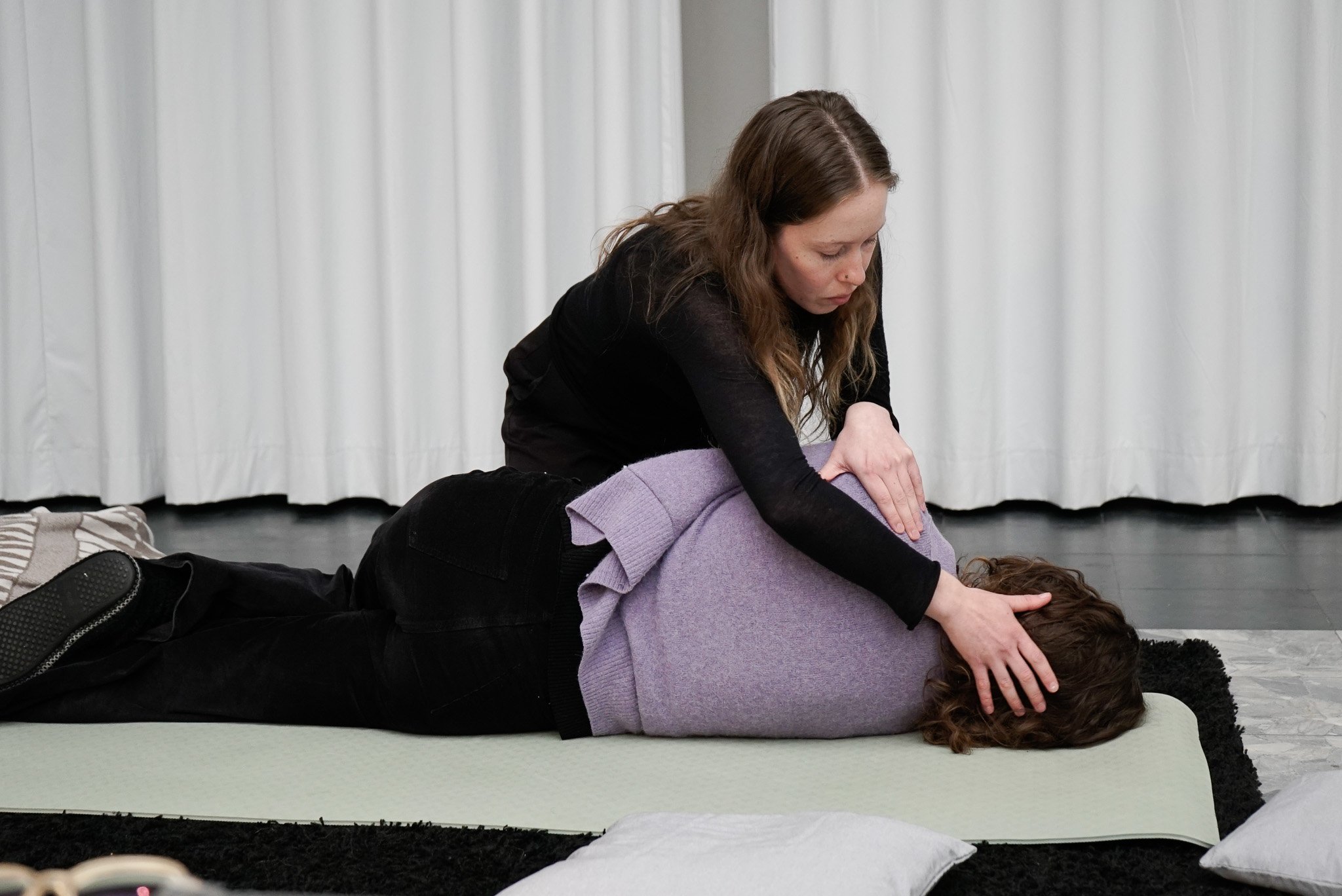
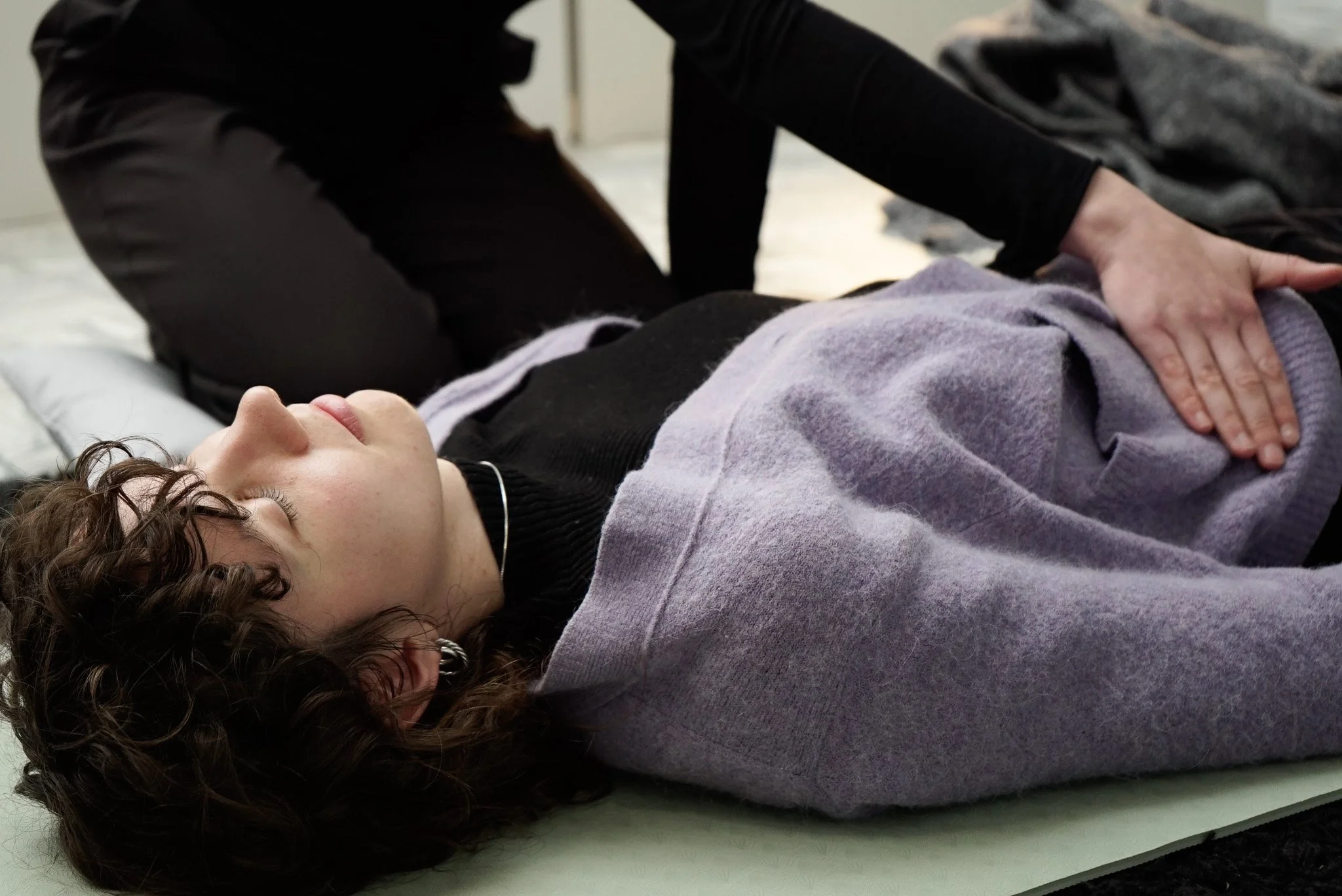
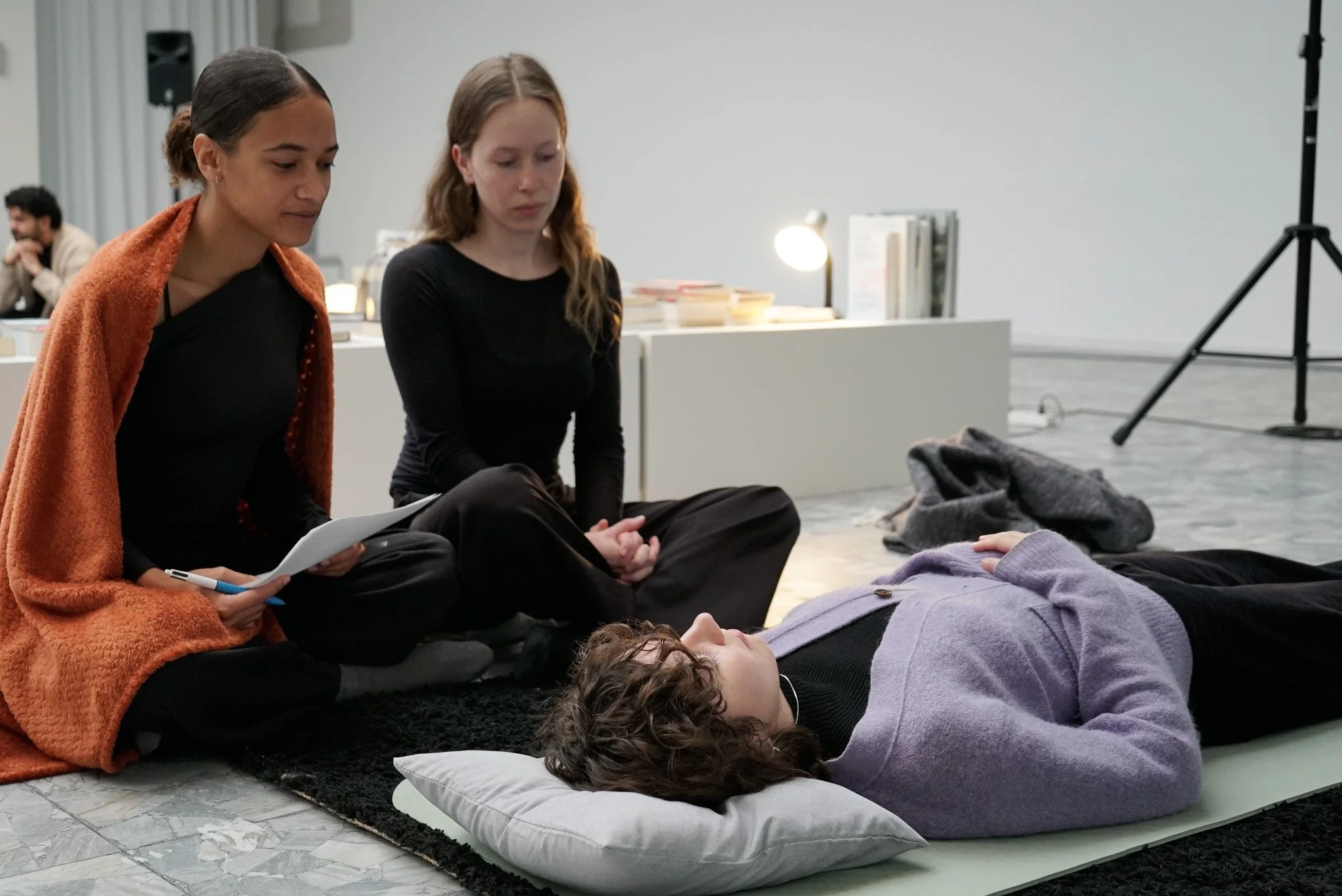
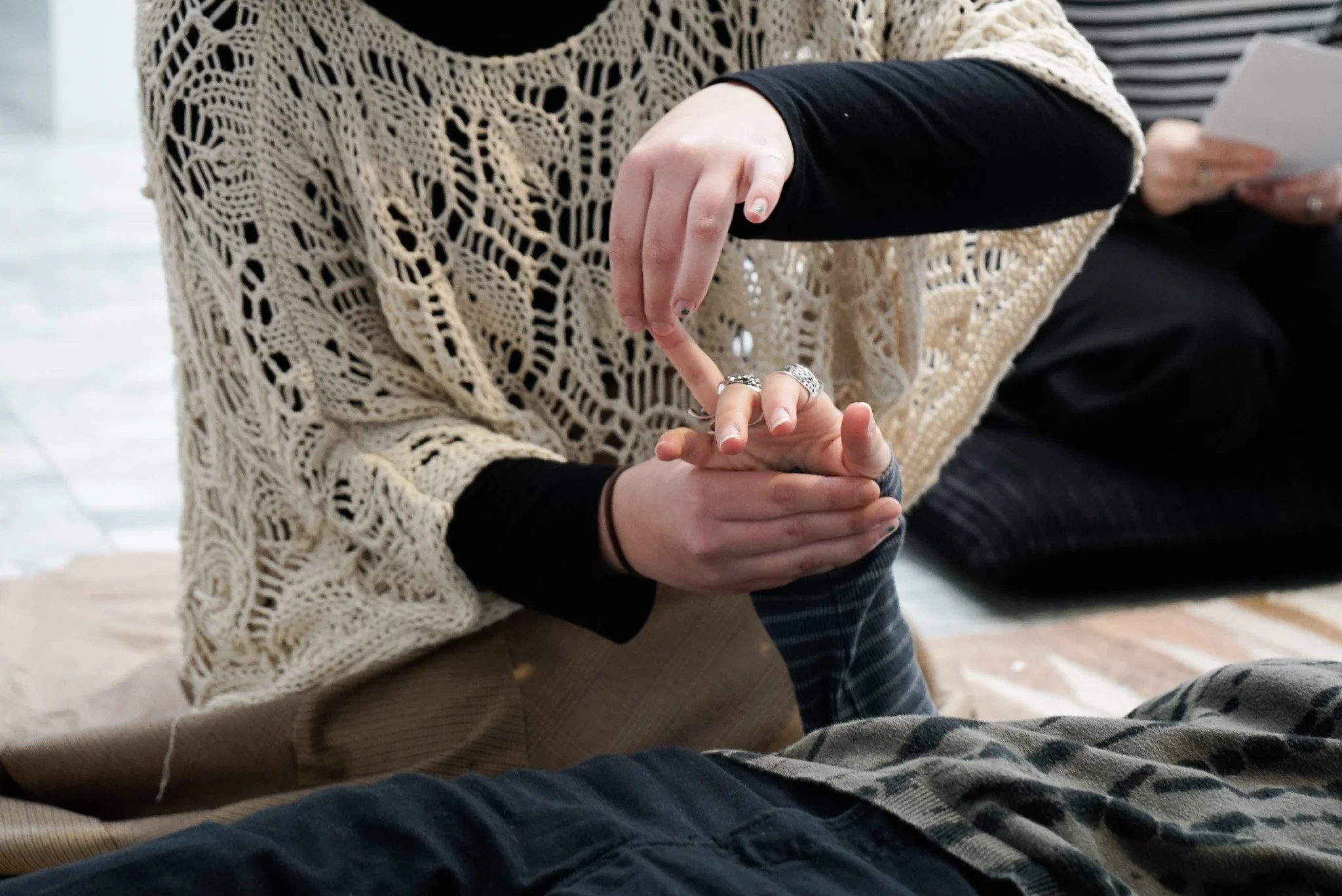
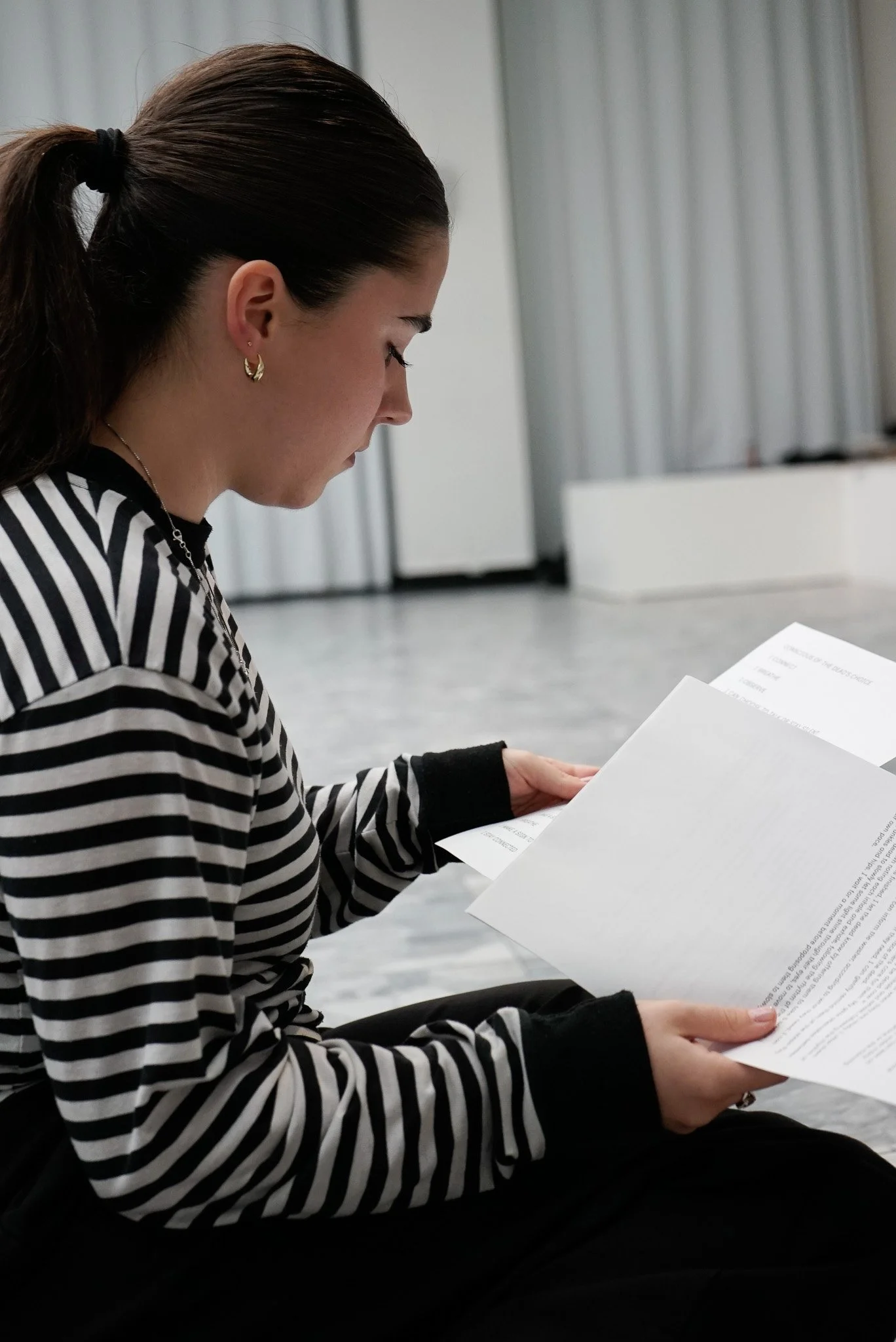
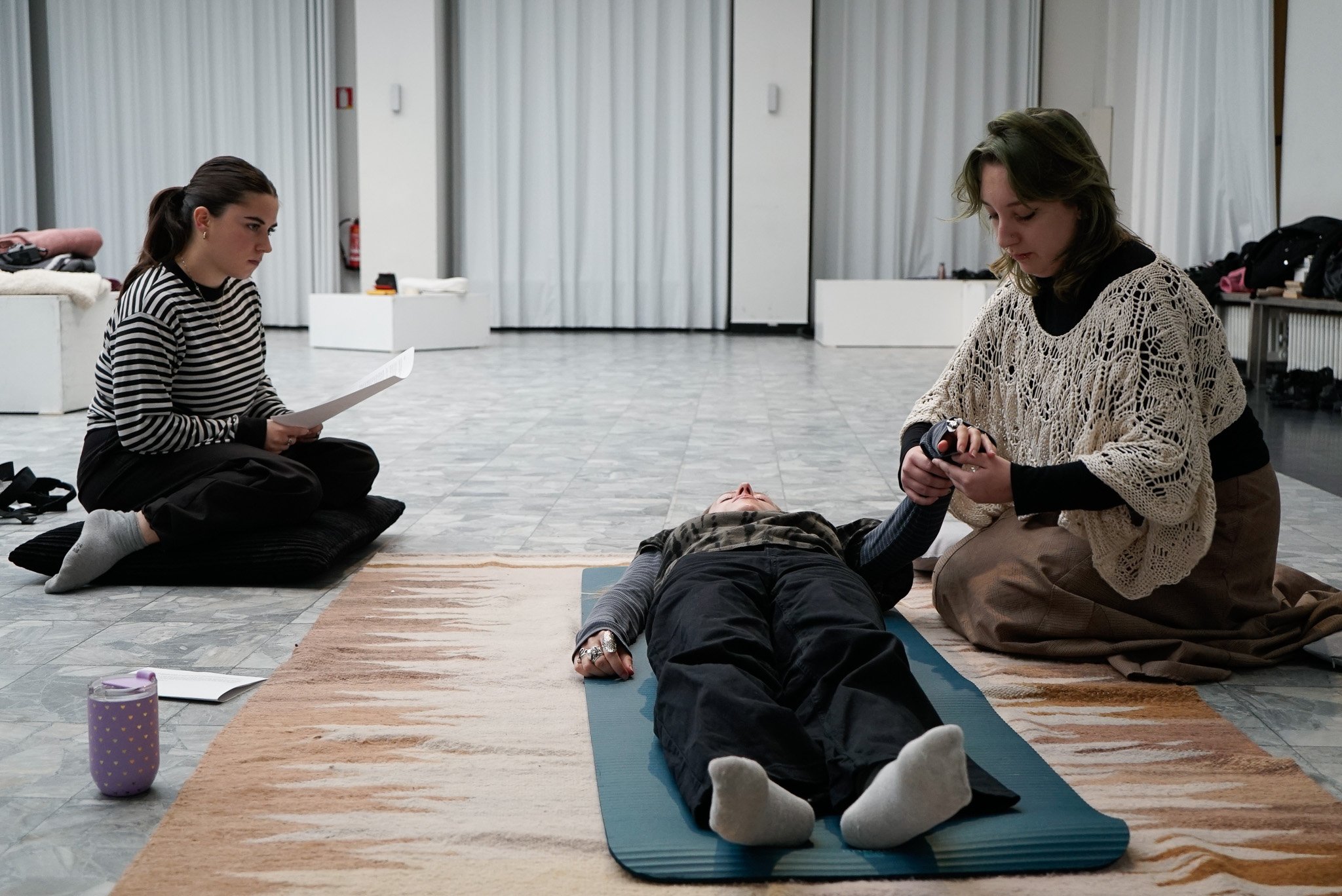
The workshop is conceived through a feminist pedagogy lens with guidance from somatic practitioners informed by psychotraumatology as well as nurses in palliative care and alternative funeral directors.
Gratitude for the knowledge and generosity of Eve Gilmet, Lisa Coppi, Mathilde Borcard
Anne, Rachel, Ana (Palliative Care Unit of the Saint-Jean Clinic), Clara (Sémiramis)
Jessica (Courage Afscheid, Antwerp) and Cléo (Croque Madame, Brussels)
Images from the first iteration of the workshop during the Research Class “Visions for Crossing & Vivid Tales” with the master students of the Royal Academy of Fine Arts Antwerp in October 2025. The Research Class was held in collaboration with filmmaker and fellow researcher Khristine Gillard.
If you want to be informed of upcoming session send me a message : anais.chabeur@gmail.com